Process
From a broken sample to a numbered revision.
Every serious job follows the same loop and leaves a file, not a folder of screenshots.
- 01Physical part
- 02Scan
- 03Mesh cleanup
- 04Datums
- 05Parametric model
- 06Design change
- 07Prototype
- 08Inspection
- 09Production part
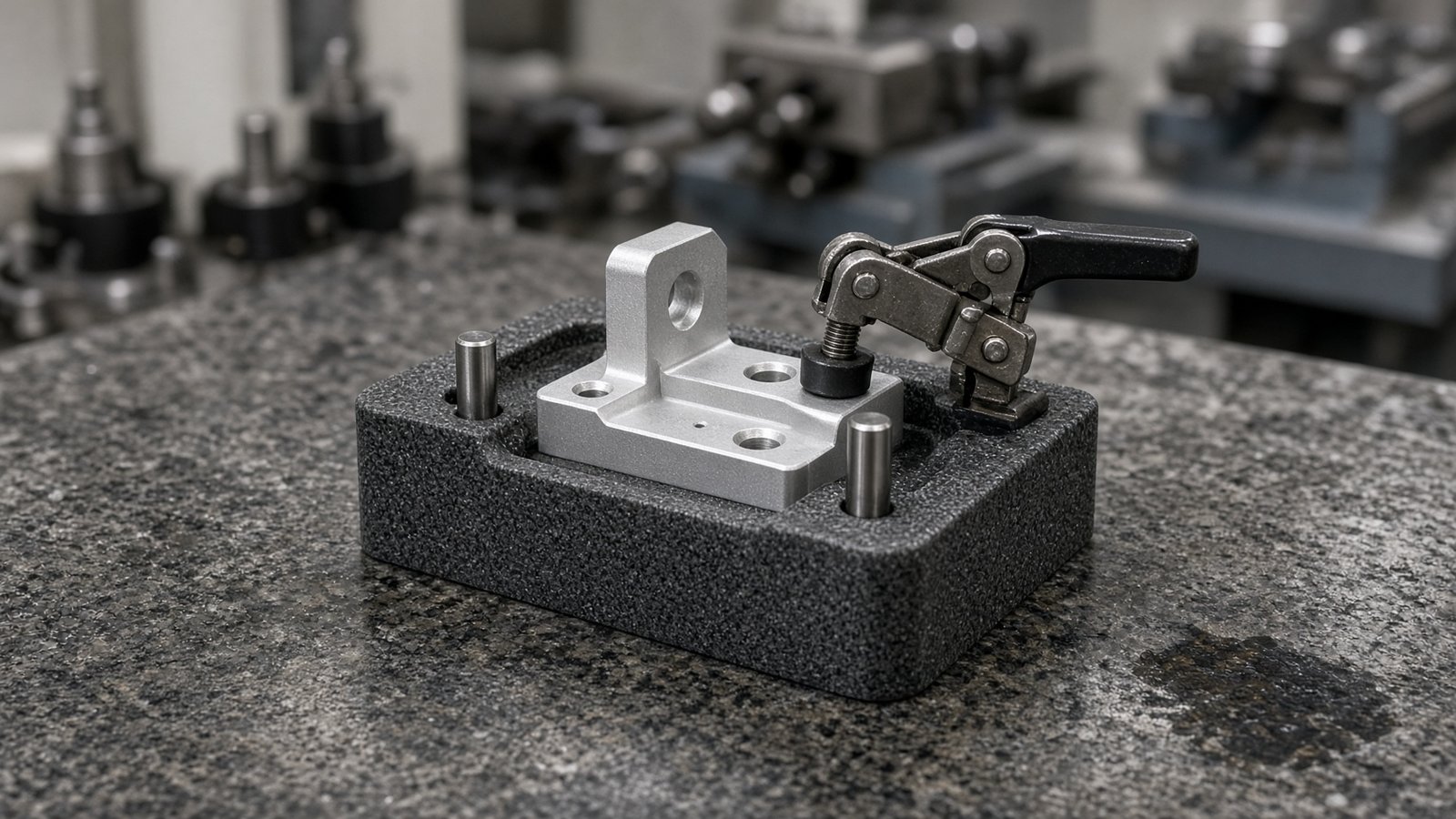
How a quote is stacked
You should see the engineering, not a single line that hides it inside a print price.
| Work package | What you are paying for |
|---|---|
| Scan | As-is geometry, plus notes on wear, damage, and missing features. |
| CAD / reverse engineering | Cleanup, datums, and a parametric model with design intent restored or improved. |
| Material review | Duty, temperature, chemistry, load path, and how the part should be oriented. |
| Prototype | A first article in the candidate material and process. |
| Inspection | Dimensions against the model and against the sample you brought in. |
| Production parts | The accepted revision, repeated, with lot and parameter records. |
The project file
This is not a certificate. It is the record we need before anyone asks for one, and the record we need when a part comes back.
- Boaz project number
- Customer requirement
- CAD revision
- Material specification and lot
- Manufacturing parameters
- Inspection measurements
- Photographs
- Deviations
- Final revision
Parts this loop covers
A broken sample comes in. A model, a prototype, and then production parts go out — one, or as many as the line needs.
- Impeller
- Pump or fan housing
- Obsolete equipment component
- Jig or fixture
- Load-bearing bracket
- Duct or manifold
- Fibre-reinforced component
- A full scan-to-part mechanical component